Multi-chain assets
Compare networks, verify addresses and understand why confirmations differ across chains.

imtoken
A multi-chain wallet, blockchain network and Web3 knowledge hub from imtoken
A wallet should make important actions easier to understand, not hide the details that matter. imtoken brings together multi-chain asset views, network selection, sending and receiving, DApp connections, approvals, blockchain concepts and practical wallet safety so each step can be checked before it is confirmed.
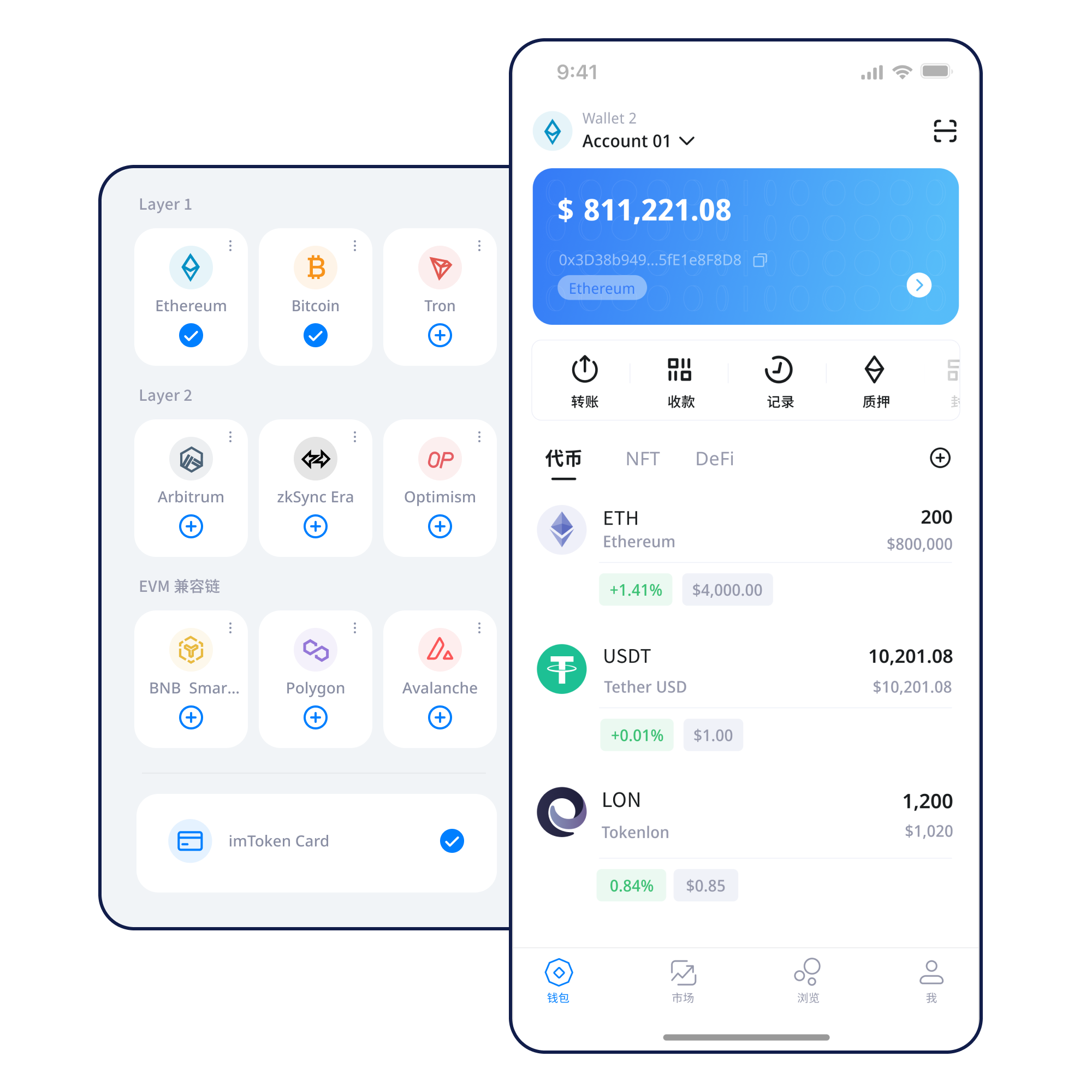
Wallet capabilities
Different tasks require different checks. Asset views, transfers, mobile use, browser connections and backups should not be treated as the same kind of action.
Compare networks, verify addresses and understand why confirmations differ across chains.
Manage networks, review assets and check transaction history on mobile while keeping device security in mind.
Address, network, amount, gas and transaction hash all matter when reviewing a transfer.
Use browser connections with deliberate account selection, permission review and session cleanup.
Keep seed phrases and private keys offline, verify every request and review approvals that are no longer needed.
Blockchain networks
Each network has its own blocks, gas rules, contracts and confirmation path.
A multi-chain wallet needs explicit network context so balances, fees and contract addresses are not confused.
Nodes, blocks and confirmations explain why a transaction becomes part of shared public state.
Compatible execution models do not remove the need to verify chain IDs, gas and contract deployments.
Scaling networks remain connected to a base layer and may introduce bridging and waiting steps.
Fees and confirmation speed reflect network conditions and transaction settings.
Wallet journey
Keep the seed phrase offline, never disclose the private key, verify the network before transferring, inspect DApp signatures and revisit stale approvals.
Use the official download entry and verify the product name before continuing.
Understand whether you are creating new keys or restoring an existing wallet.
Record the seed phrase privately and avoid screenshots or casual cloud storage.
Check the chain and gas asset before receiving, sending or interacting.
Review the address, asset, amount and fee before confirmation.
Check the transaction hash and remove permissions you no longer need.
Web3 & DApp
Connecting a wallet does not mean every later signature or approval should be accepted.
Explore Web3 guides →Security
Wallet security depends on decisions made before and after a transaction: keeping secrets offline, checking the domain, verifying the network, reading signature requests and controlling persistent approvals. No wallet can make third-party contracts or market conditions risk-free, so the goal is to improve the quality of each decision with information that can be verified.
Open Security CenterFeatured learning
Start with addresses, seed phrases, private keys, networks, gas, transaction hashes, DApps and approvals. These concepts explain what the wallet can do and what only the user can authorize.
Read the guide →Understand blocks, nodes and confirmation depth.
Learn how execution, gas and contracts fit together.
See how scaling networks relate to a base layer.
Understand spender permissions and cleanup.
Use concise definitions tied to real tasks.
Ethereum & PoS
Learn how Proof of Stake, validators, network rewards, exits and withdrawals fit together.
Read about Ethereum staking →Rewards can change. Exits may involve waiting. Validators can be penalized, smart contracts can fail, third-party services can add risk, and digital-asset prices can fluctuate.
Learn about PoS validators →Updates
A clearer explanation of how network choice affects balances, gas and confirmations.
Backup guidance now places verification and offline storage before recovery steps.
Persistent permissions should be checked periodically, especially after trying new DApps.
Reward variability, waiting periods and validator penalties are explained before participation guidance.
FAQ
You do. imtoken will never ask you to send a seed phrase, private key or verification code.
Balances, gas assets, contracts and transaction records belong to a specific network.
A confirmed on-chain transaction usually cannot be reversed by the wallet alone.
No. A connection and a token approval are different permission steps and should be reviewed separately.
It is an identifier you can use to look up transaction state on the relevant blockchain explorer.
No. Rewards can change, and participation can involve waiting periods, validator penalties, smart-contract risk and price volatility.
imtoken
All download buttons on this site lead to the same local download page.